
June 2026
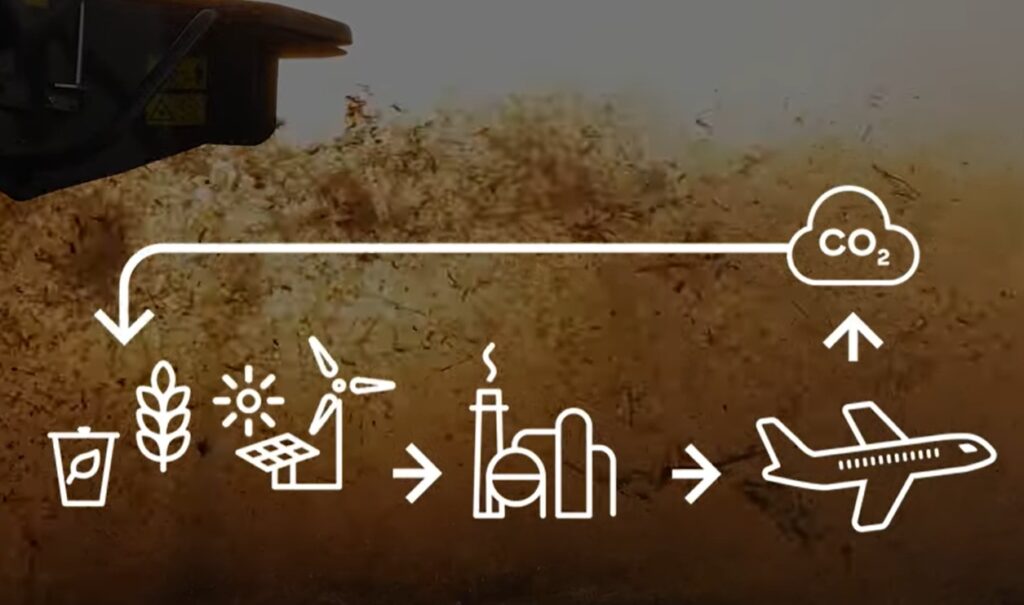
The aviation sector faces a major sustainability challenge. One of the most important solutions for the coming years is Sustainable Aviation Fuel (SAF) – a more sustainable alternative to conventional fossil kerosene. SAF is produced from renewable and circular feedstocks, such as used cooking oil, and can significantly reduce CO₂ emissions from flying. But how do travellers view this more sustainable fuel? Are they familiar with SAF and willing to contribute? To gain further insight, the TULIPS programme (Work Package 5) conducted research among 506 Dutch travellers departing from Amsterdam Airport Schiphol. A similar study was also carried out at Oslo Airport, involving 722 respondents.
SAF as a key step towards more sustainable aviation
The use of SAF plays an important role in making aviation more sustainable, particularly for long-haul flights where alternatives such as electric flying or hydrogen are not yet widely viable. A major advantage of SAF is that it can be used immediately within the existing aviation infrastructure, without requiring modifications to aircraft or refuelling systems. European legislation is also encouraging the uptake of SAF. Airlines are required to blend increasing amounts of sustainable fuels.
At the same time, SAF faces challenges. The availability of sustainable feedstocks is limited, and production is still relatively small-scale. As a result, costs are currently higher than those of fossil kerosene, and airline uptake remains limited. To enable further scaling, it is important that demand for SAF continues to grow.
Awareness of SAF remains limited
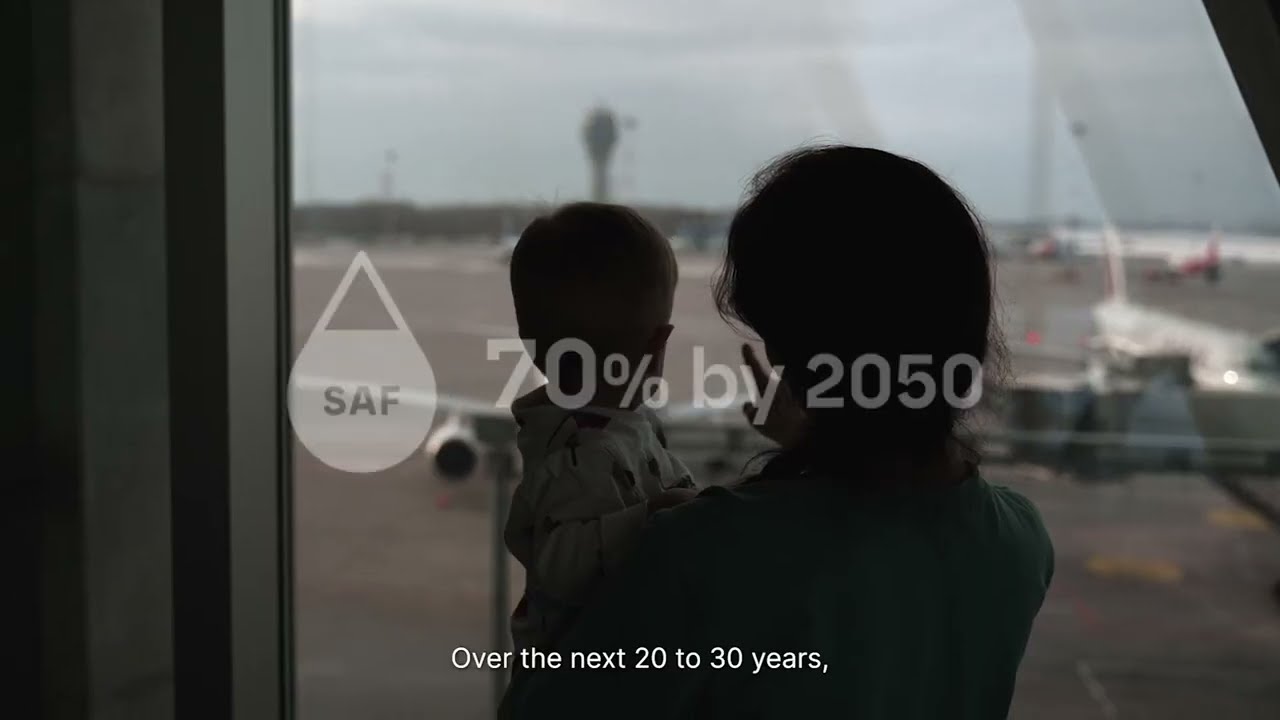
The research shows that many travellers are still unfamiliar with SAF. No fewer than 41% of respondents indicated that they had never heard of this alternative fuel. Only 8% said they knew exactly what SAF entails.
Climate awareness does not automatically lead to behavioural change
A significant proportion of travellers are concerned about climate change. However, this concern does not always translate into choices made during flight booking. Travellers see both the use of SAF and flying less as effective ways to reduce aviation’s climate impact. However, taking the step to contribute financially themselves appears to be more challenging than the general willingness to travel more sustainably.
More than half are open to contributing
Notably, willingness to contribute increases once travellers receive more information. After participants were shown a short explanatory video about SAF, 53% indicated they would be willing to contribute financially in the future, for example by paying an additional amount when booking a ticket. Their primary motivation is the desire to support more sustainable aviation and reduce CO₂ emissions. At the same time, 17% indicated they are not willing to pay extra. Many of these travellers believe that responsibility for sustainability lies primarily with airlines and governments. Doubts about the cost and effectiveness of SAF also play a role.
What holds travellers back?
Travellers who do not contribute to SAF cite various reasons. Some are unaware that the option exists. Others consider the additional costs too high or believe sustainability should be included as part of the standard service offered by airlines. These findings show that the issue is not only about persuasion, but also about how the choice for SAF is presented. Awareness, trust and ease of use all play an important role.
Small incentives can make a big difference
The research shows that the booking process is the most logical moment to offer travellers the option to contribute to SAF. At this stage, they are most receptive to making a more sustainable choice. Small, two-sided incentives also appear to increase willingness. Travellers indicate they are more likely to contribute when there is a tangible benefit in return, such as extra baggage allowance, free transport to the airport, seat selection or an upgrade. In addition, offering a SAF contribution as a default option is seen by many respondents as an effective way to increase participation.
From awareness to action
The results show that there is a conditional foundation for the acceptance of SAF among travellers. At the same time, there remains a clear gap between positive intentions and actual behaviour.
There are clear opportunities for the aviation sector to help close this gap. By better informing travellers, making SAF a visible and simple part of the booking process, and lowering barriers related to costs and choice, support for SAF can continue to grow. In this way, travellers, airlines and airports can jointly contribute to accelerating the sustainability of aviation — an important step towards the future of flying.