November 2026
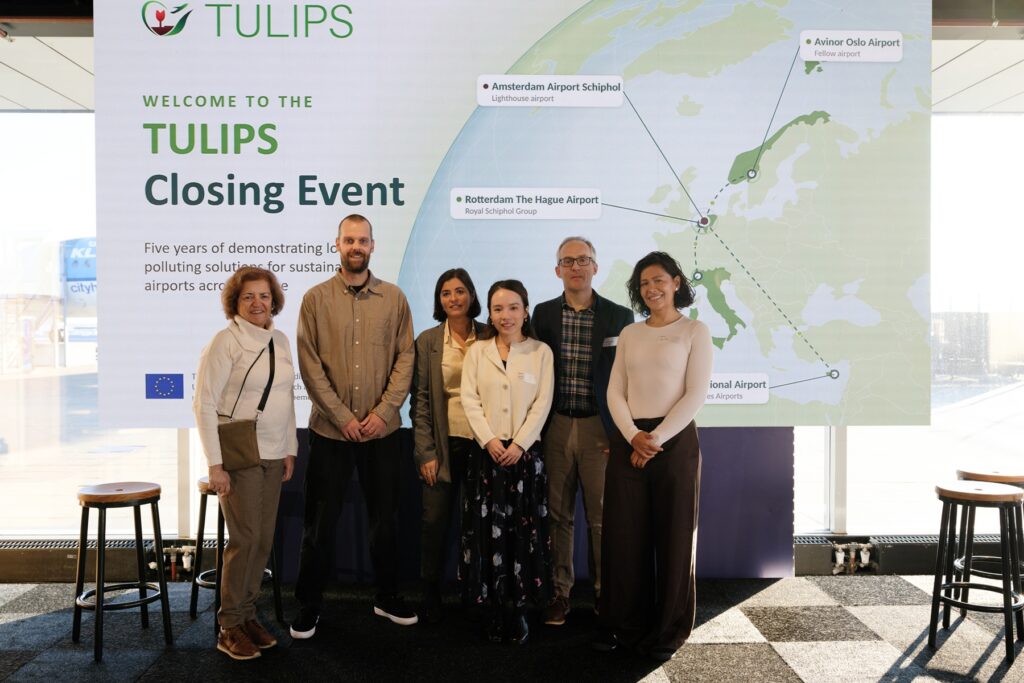
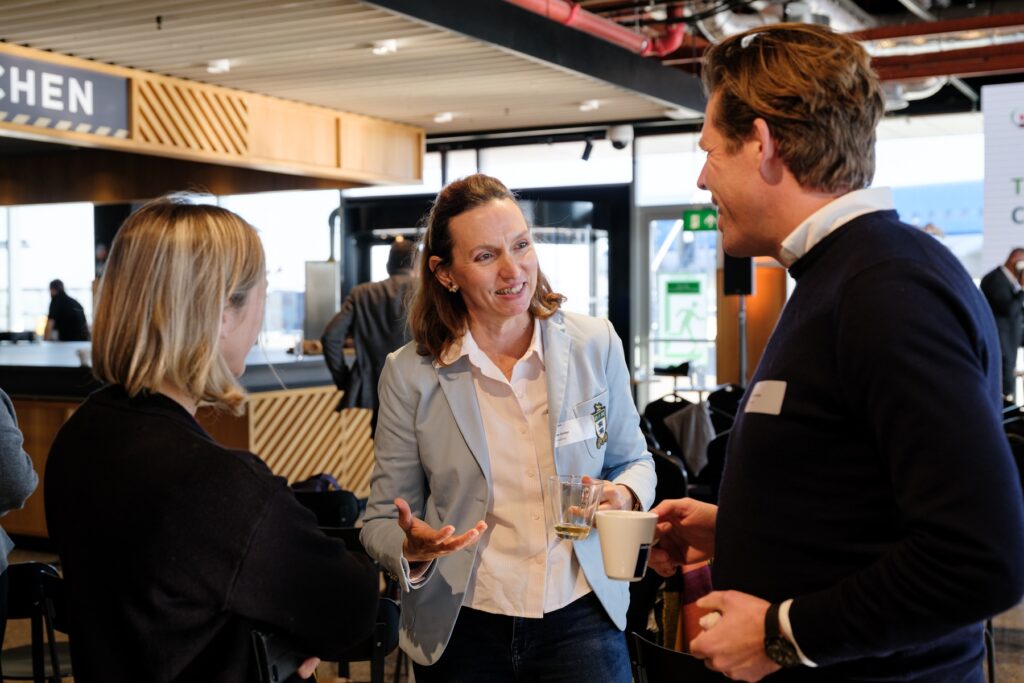
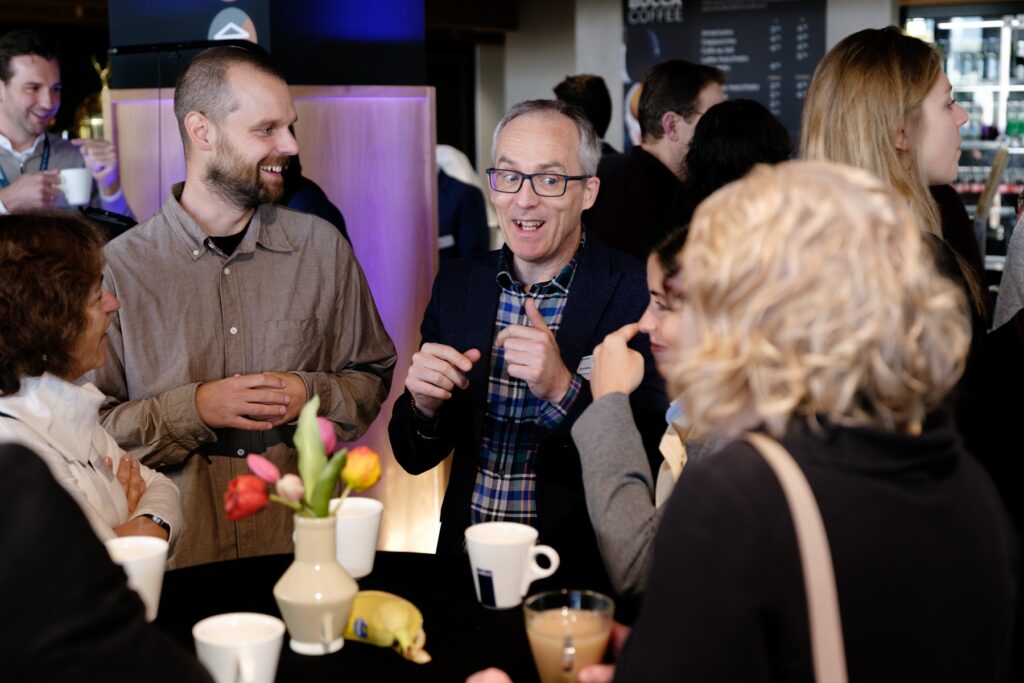
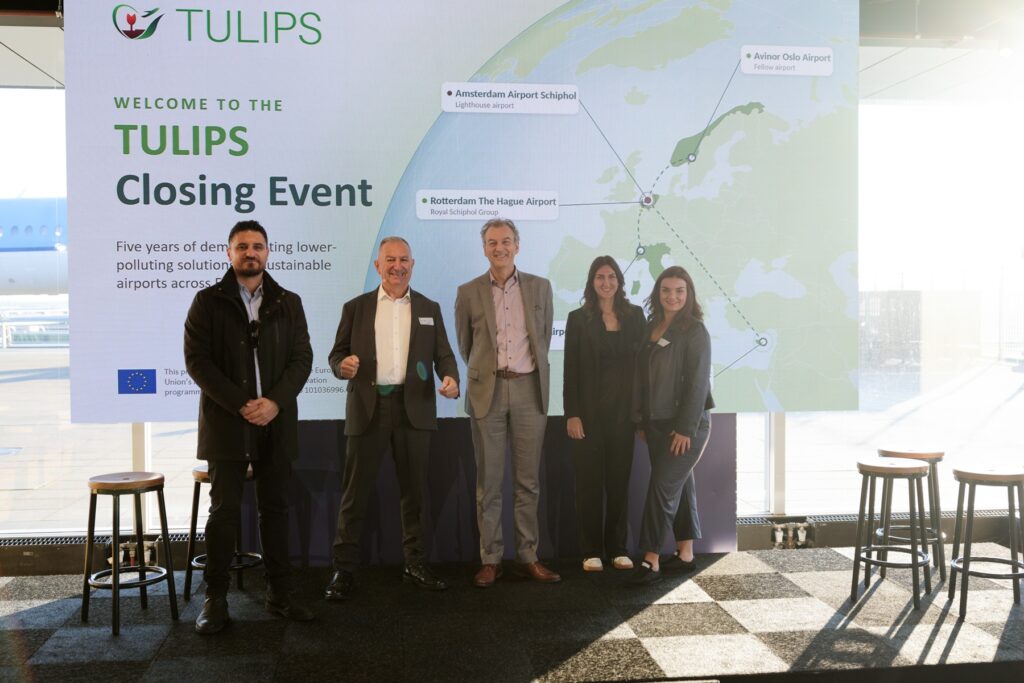
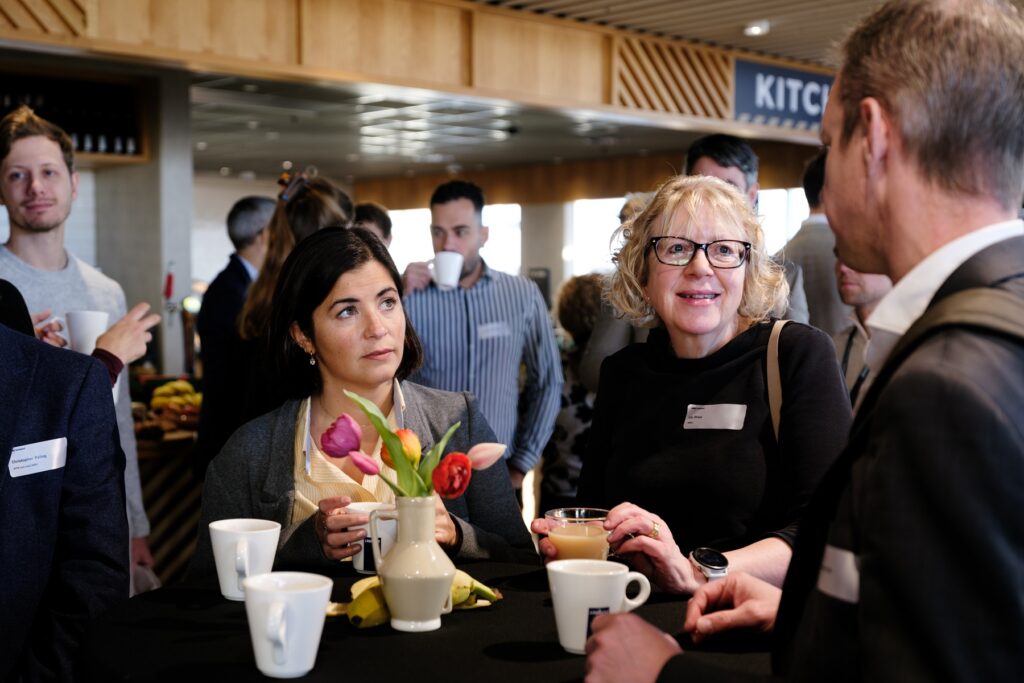
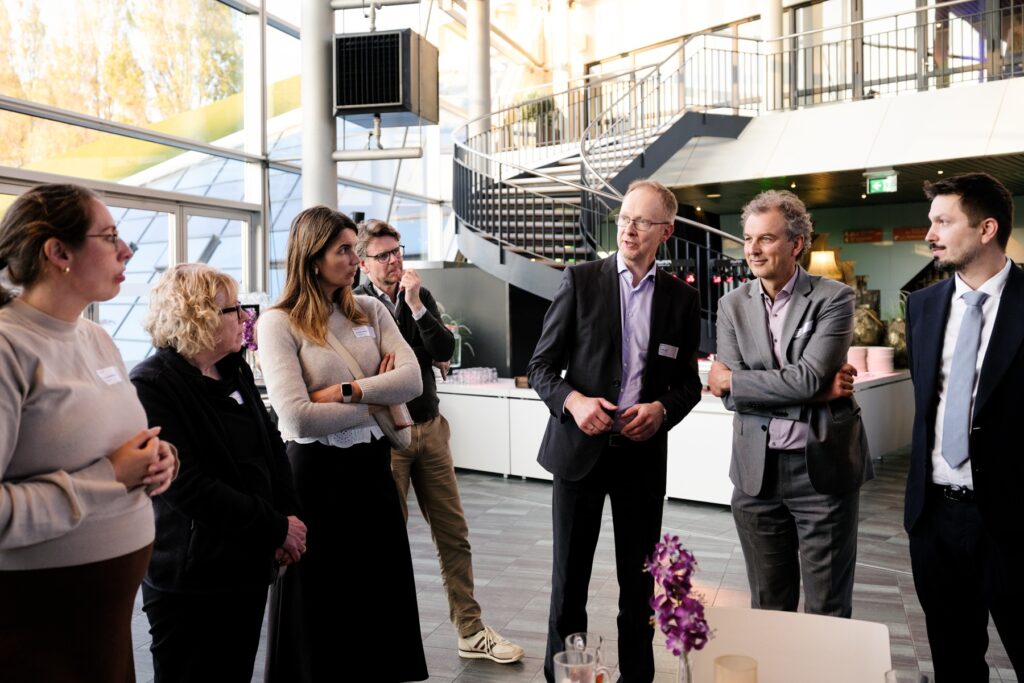
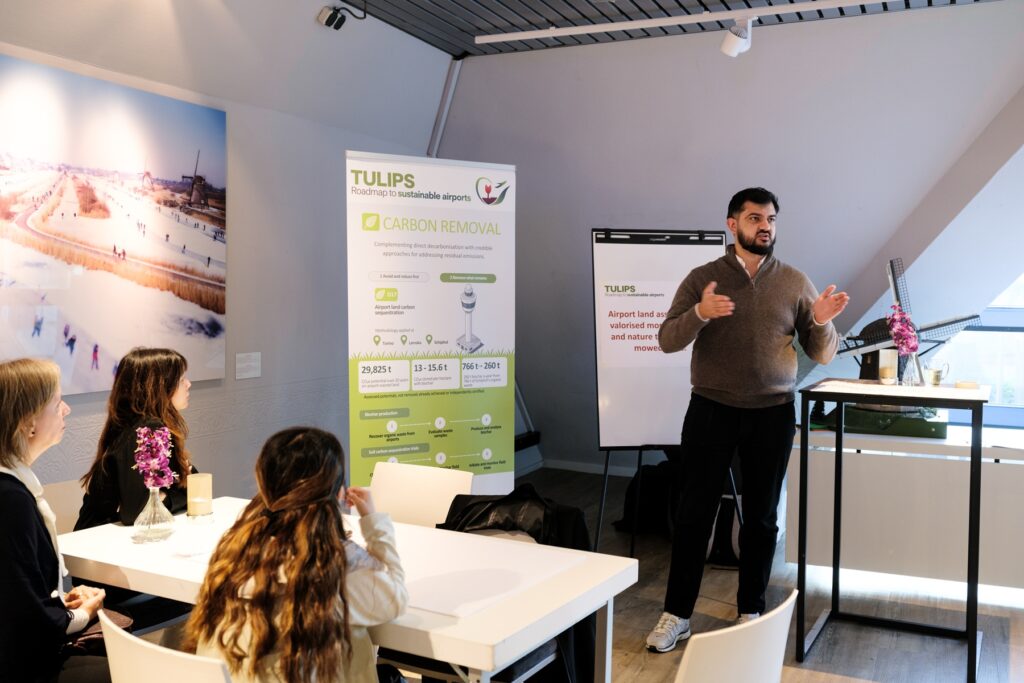
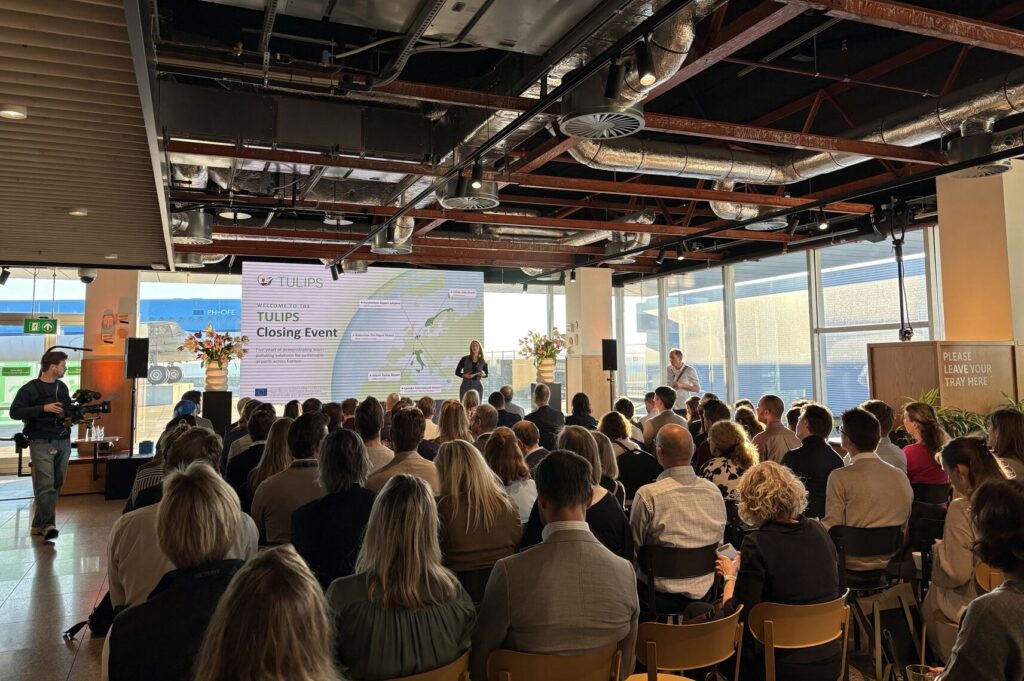
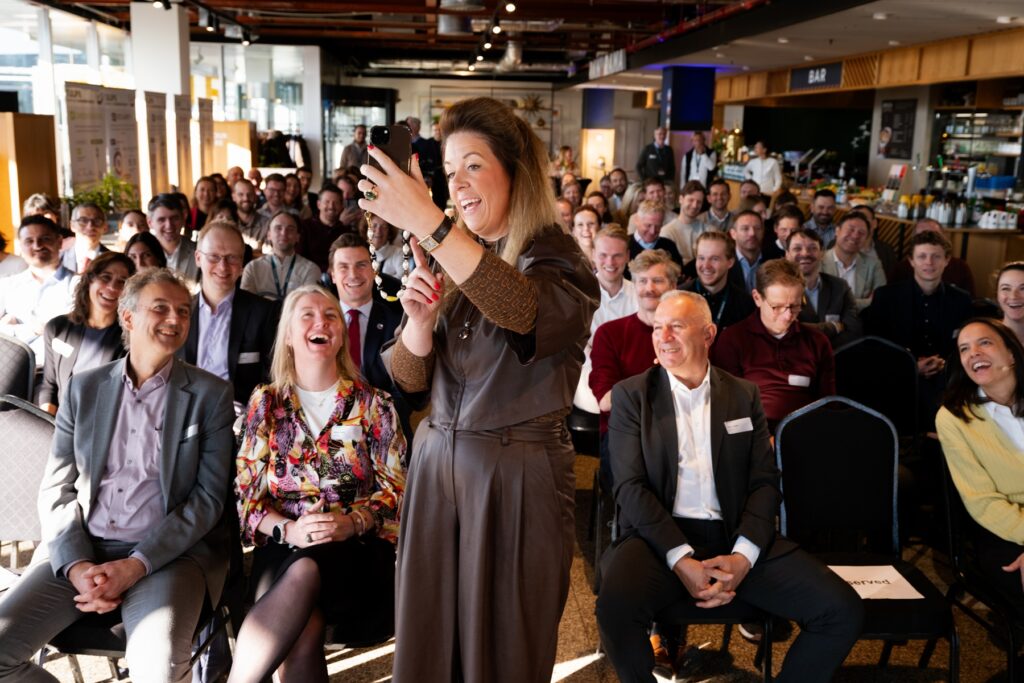
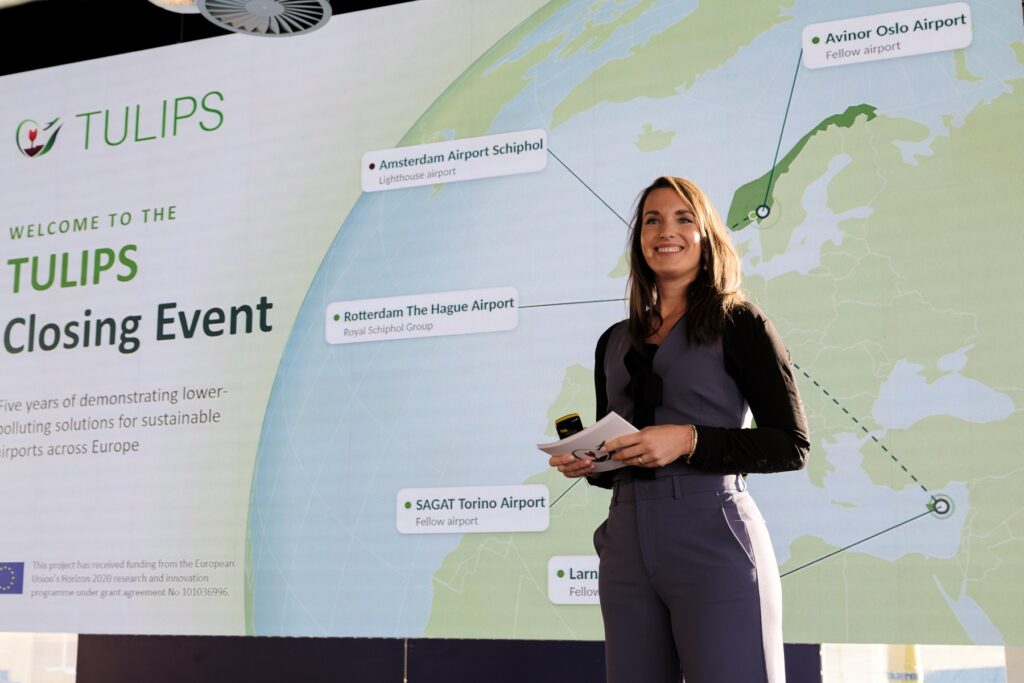
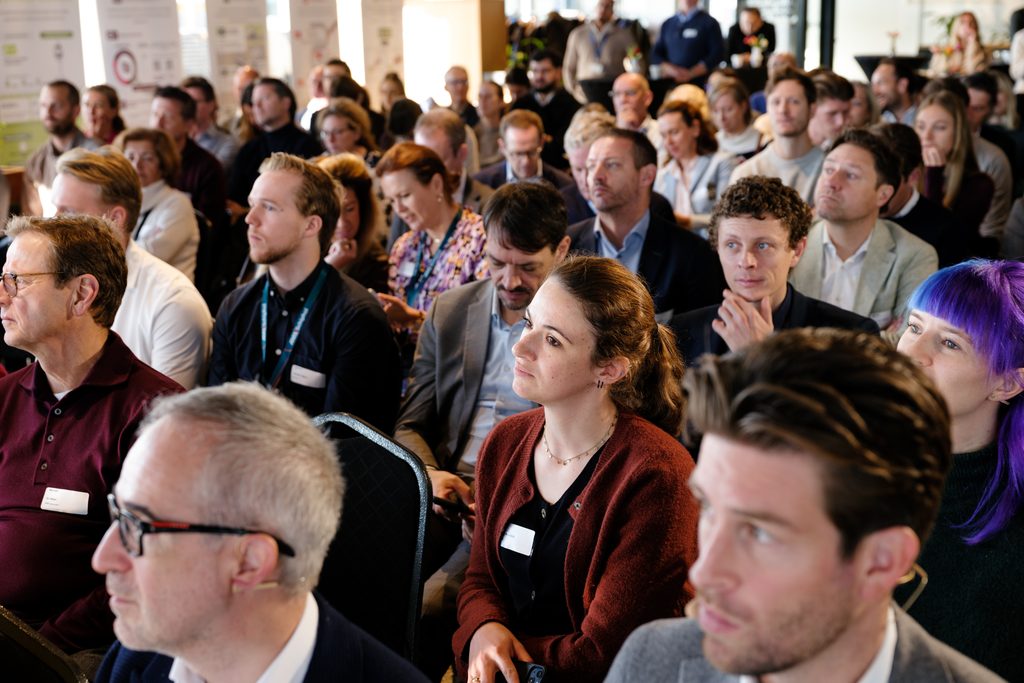
After four years of innovation, testing and collaboration, partners from across Europe gathered on 5 November for the TULIPS Closing Event. The occasion marked not only the formal conclusion of the project, but also an opportunity to reflect on what has been achieved together and what comes next on the journey towards cleaner, more circular and resilient airports.
A key milestone of the day was the symbolic handover of the TULIPS Roadmap to Alexandre de Joybert of ACI EUROPE. The roadmap captures the knowledge, lessons learned and recommendations developed throughout the project, helping airports across Europe turn innovative concepts into practical action.
Driven by a shared ambition
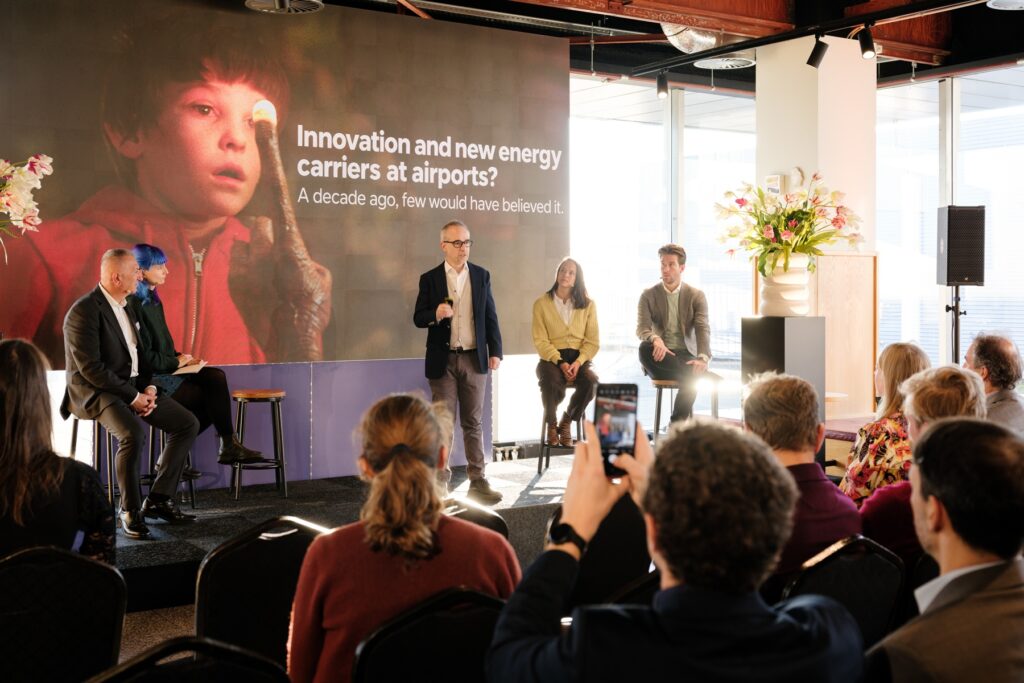
Throughout the morning, the airport partners reflected on the challenges that brought them together and the progress made over the past five years.
“The why we do this is very visible,” said Lorenzo Guzman of Torino Airport, picturing the changing mountain landscape surrounding his airport, where snowfall decreases year after year. His message captured the motivation shared by all TULIPS partners: tackling climate change requires innovation, cooperation and a willingness to test new solutions.
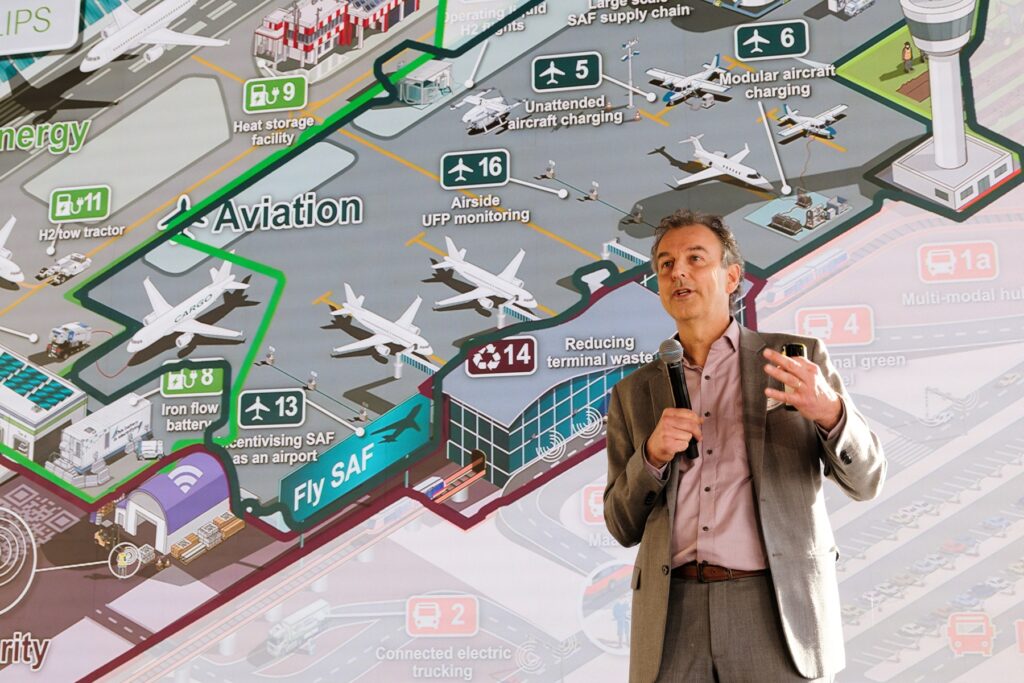
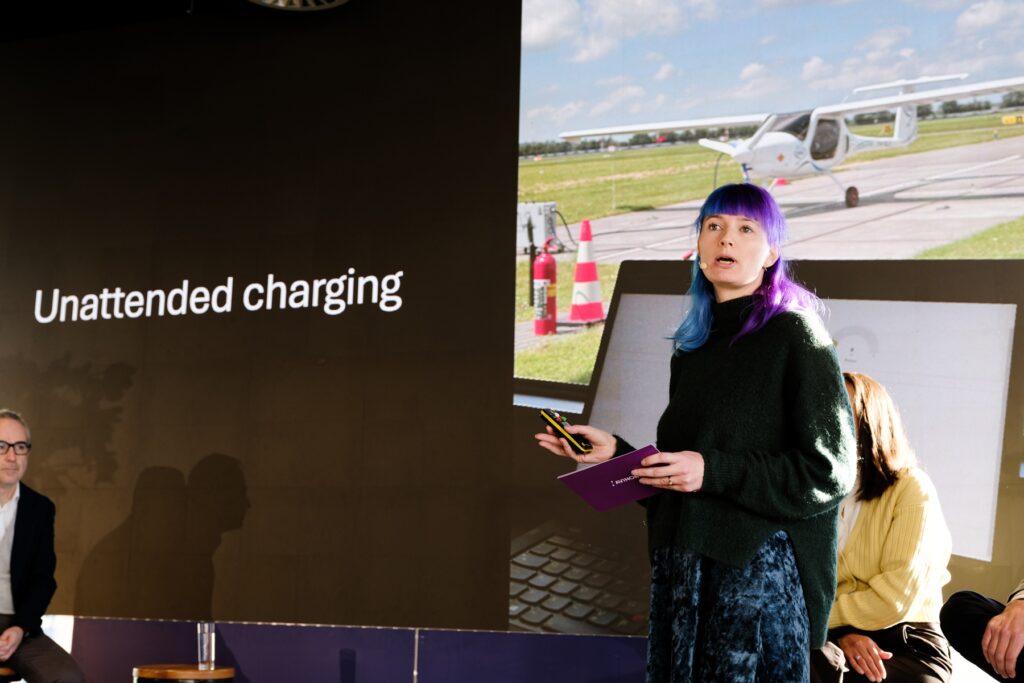
That spirit has shaped dozens of demonstrations across Europe. Bergljot Tjøn of Oslo airport (Avinor) highlighted the work carried out to prepare airports for electric aviation, including innovations such as unattended charging and modular charging systems. While electric aircraft may still be emerging, the project showed that the groundwork for future operations must begin today.
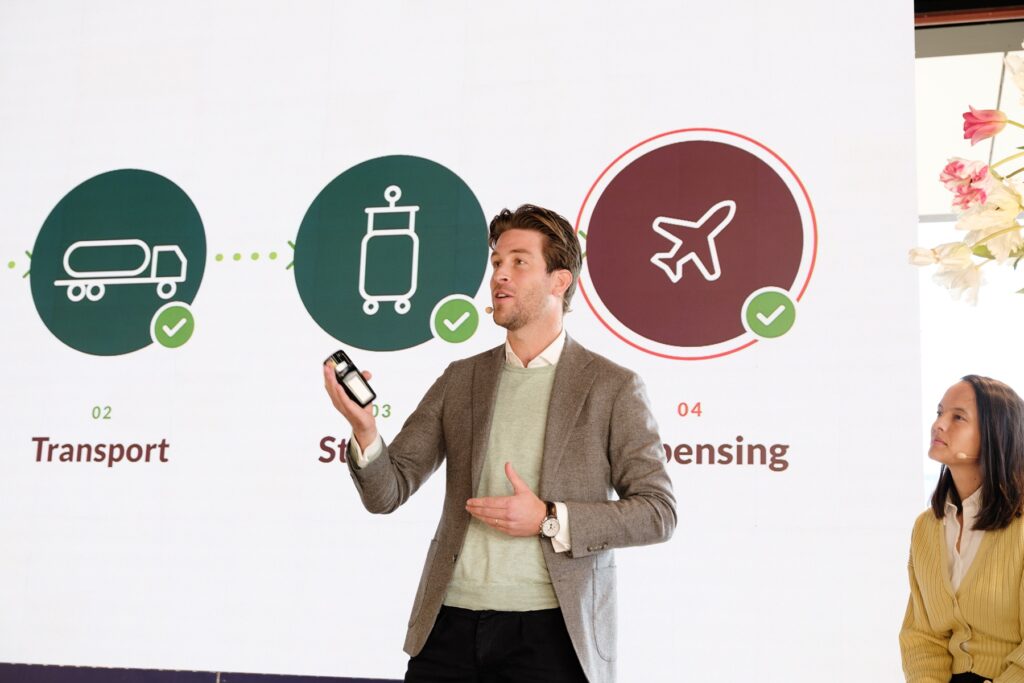
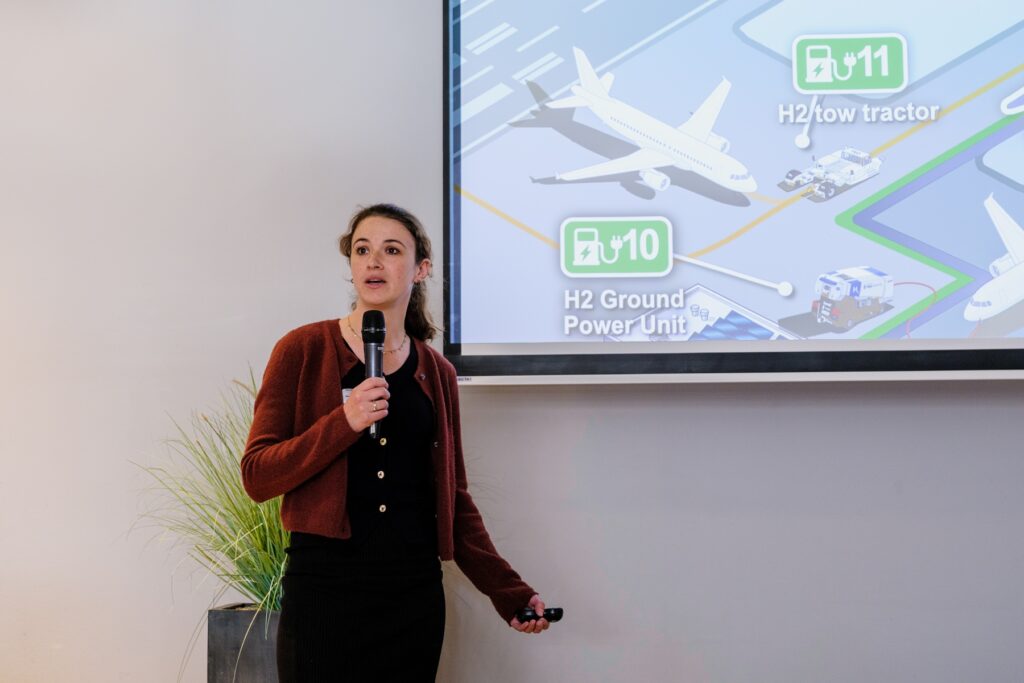
The same was true for hydrogen. Daan van Dijk of Rotterdam The Hague Airport used the metaphor of an iceberg to describe the project’s hydrogen demonstrations. Tests with a hydrogen-powered drone and hydrogen ground power unit may be the visible results, but underneath lies extensive work on permits, safety procedures and infrastructure. The lessons learned provided important guidelines for future implementation.
Learning by doing
One of the strengths of TULIPS has been its focus on practical experimentation. By testing innovations in real airport environments, partners gained insights that could not have been obtained through studies alone.
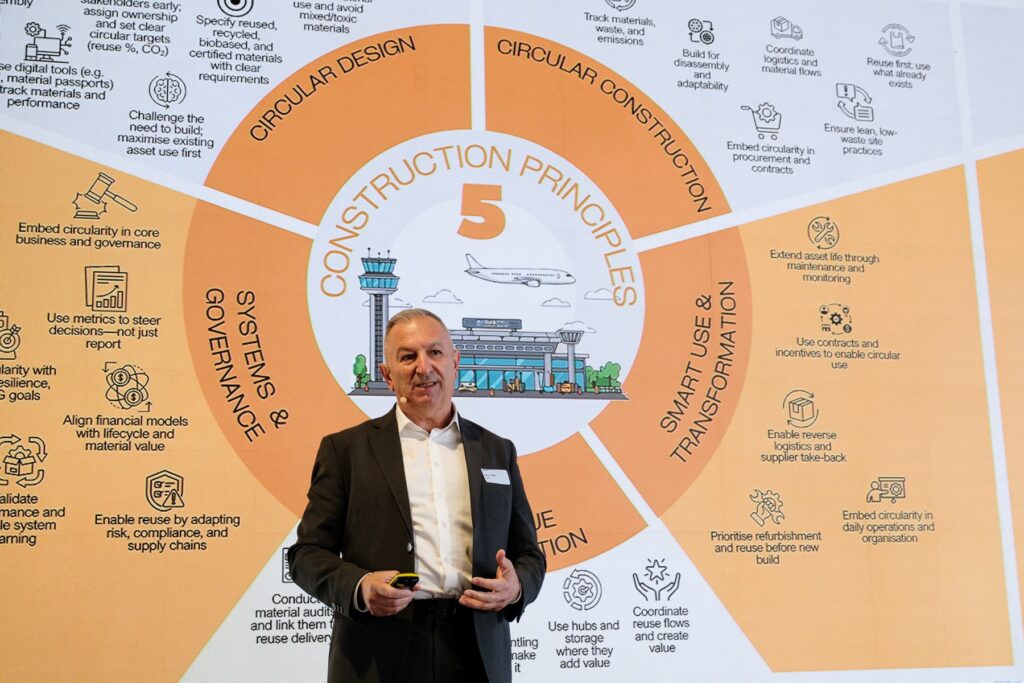
Andys Frangos of Larnaka Airport shared how construction materials were tracked and reused during the development of a new office building. The project demonstrated that circularity is not simply a technical challenge. It also requires a different mindset, involving departments such as procurement and asset management. As material costs continue to rise, circular approaches are becoming increasingly valuable for airports everywhere.
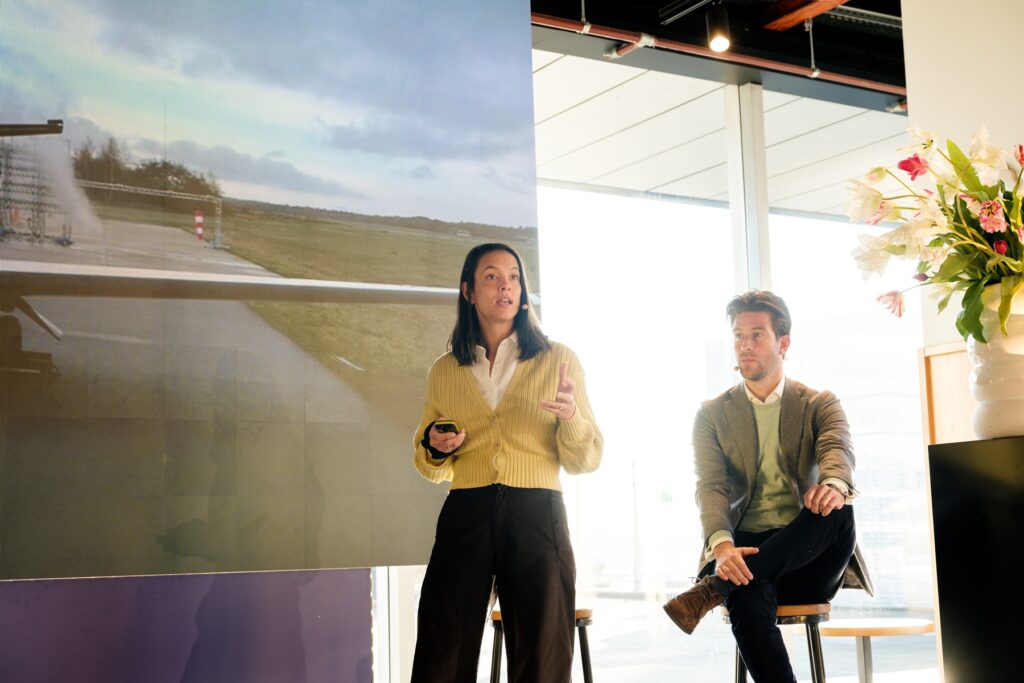
At Schiphol, Annefleur Klaus reflected on the project’s work on ultrafine particles. Early tests using a water curtain to capture emissions revealed how much more there is still to learn about the behaviour of ultrafine particles in airport environments. That insight led to the creation of a living lab on Schiphol’s D Pier, where emissions can be continuously monitored and the effectiveness of measures can be tested in practice.
These examples illustrate one of TULIPS’ most important achievements: not only demonstrating solutions, but also identifying the knowledge, partnerships and conditions needed to make them work at scale.
Looking beyond the project
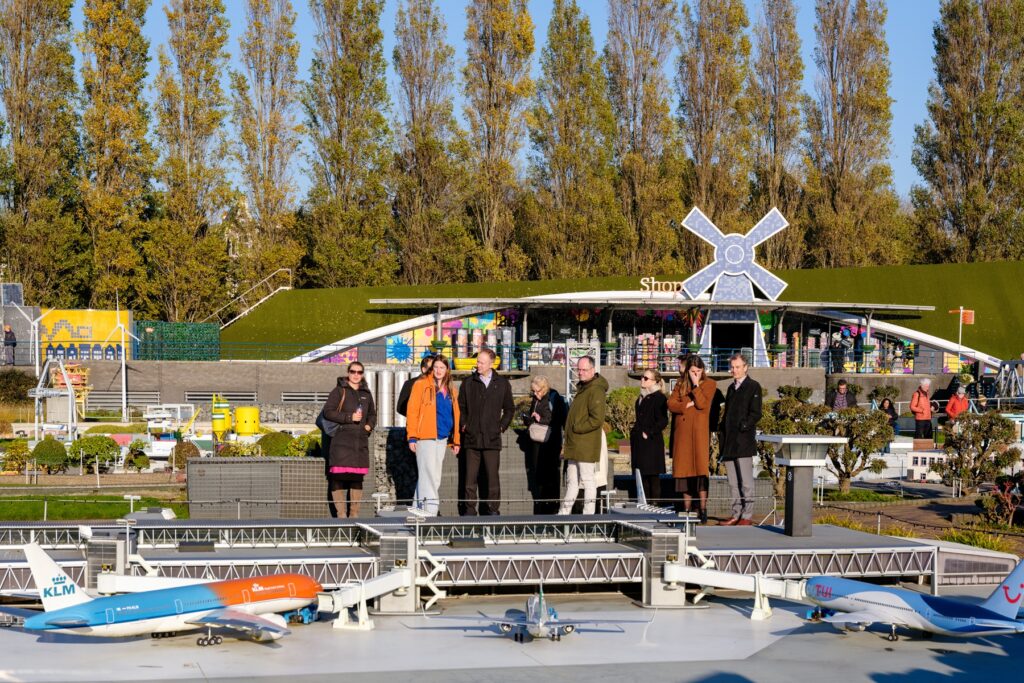
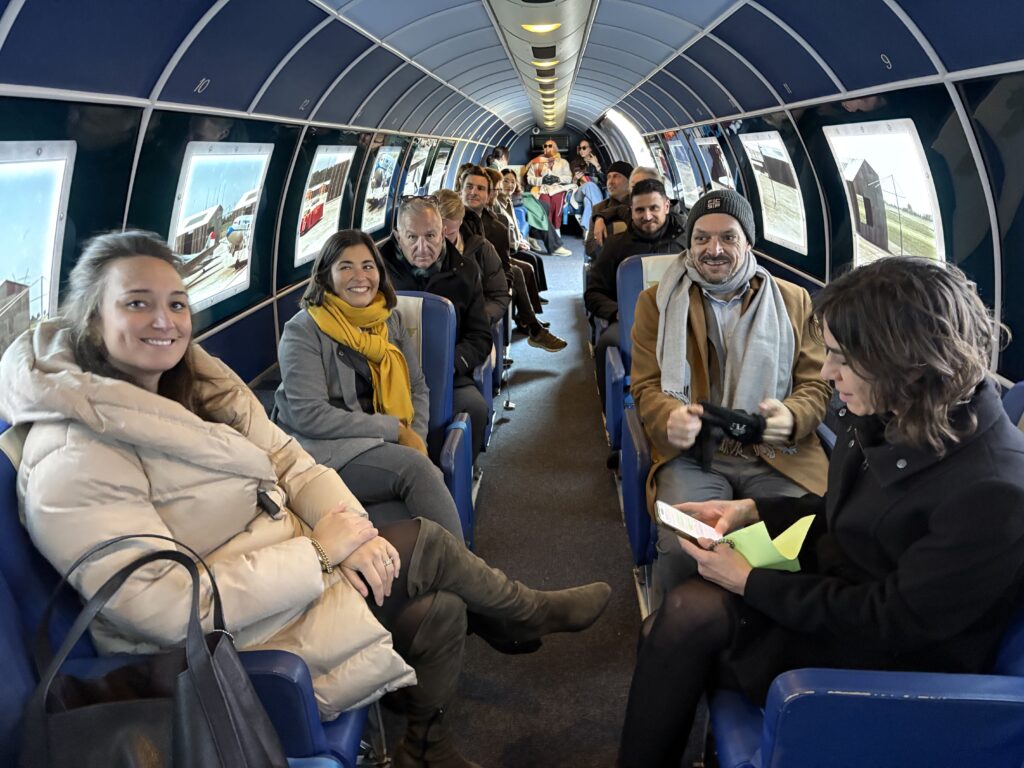
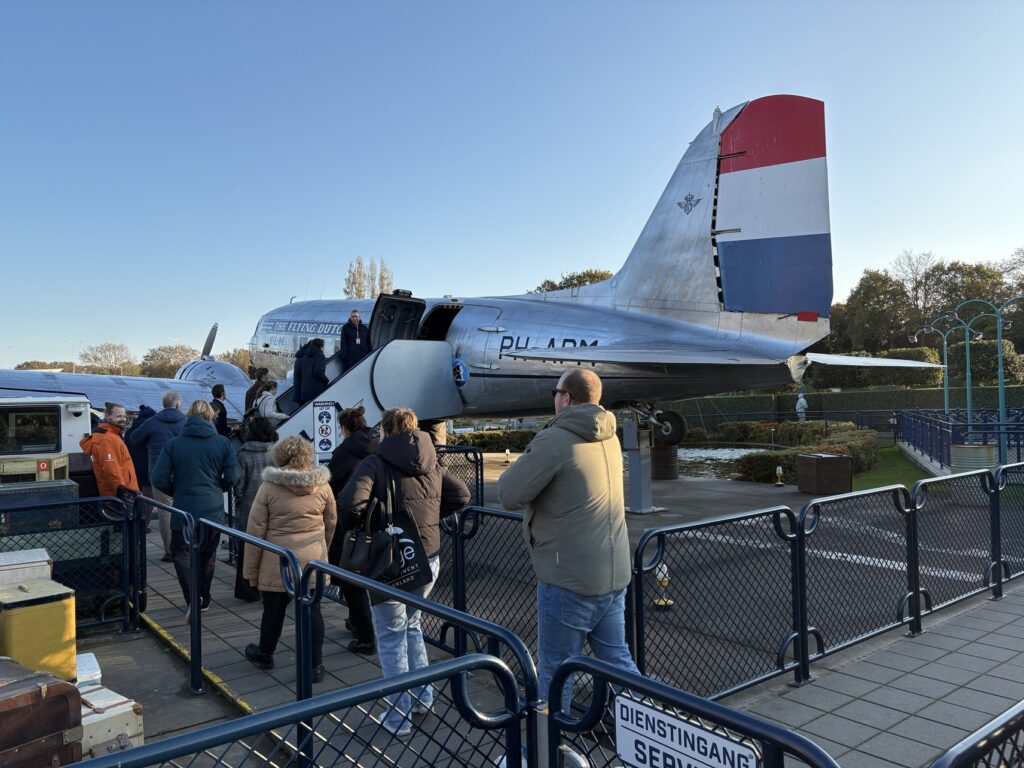
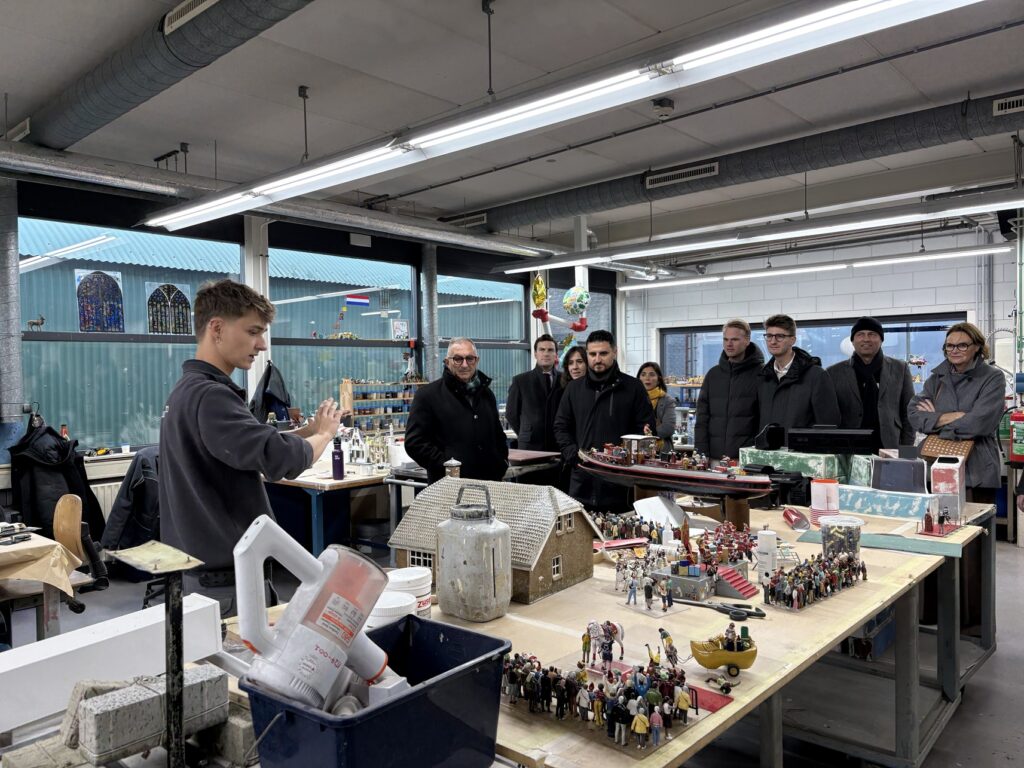
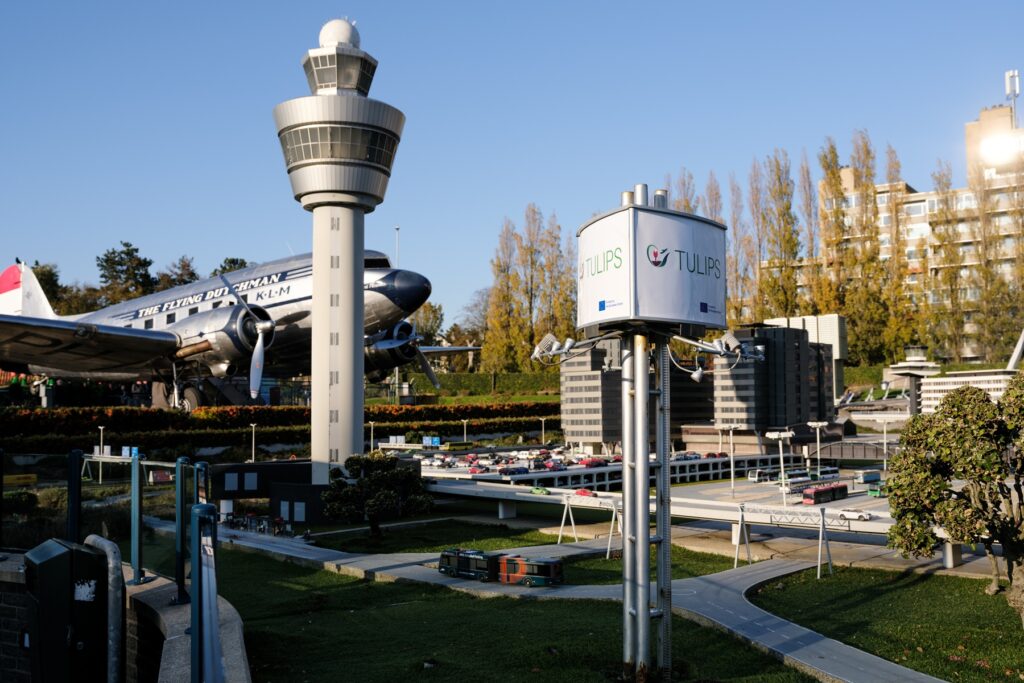
In the afternoon, participants gathered in Madurodam, where a miniature Schiphol Airport was joined for one day by a miniature TULIPS installation. It provided a fitting setting to shift the conversation from reflection to the next steps.
Together with policymakers, industry representatives and project partners, discussions focused on how the results of TULIPS can be implemented and scaled across Europe. Building on the project’s legacy, the TULIPS Roadmap serves as a practical guide for airports seeking to accelerate their sustainability transition.
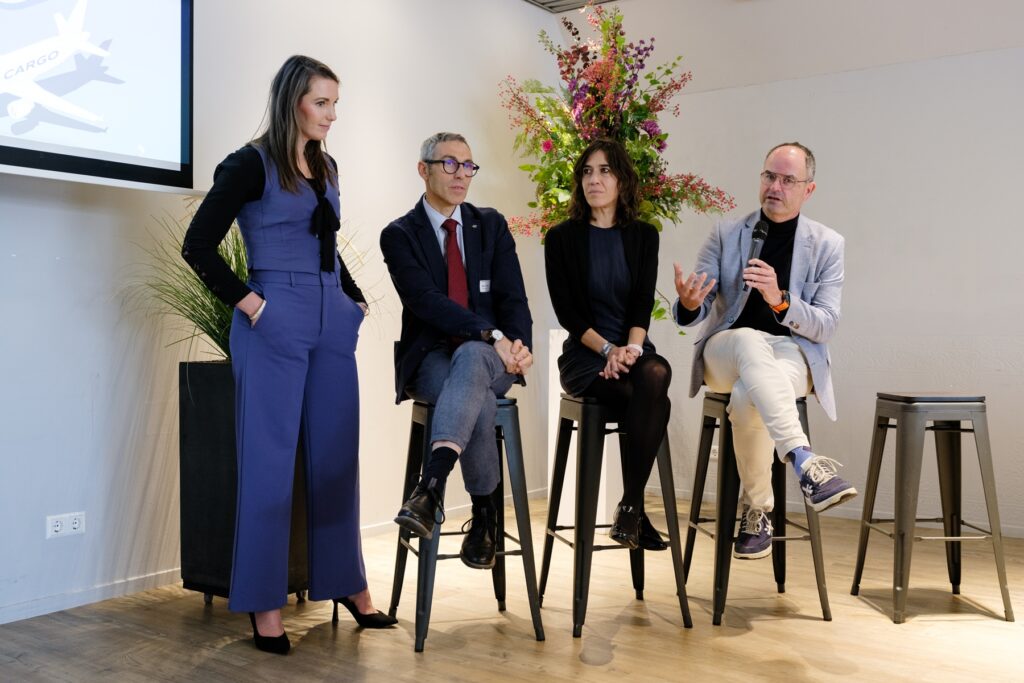
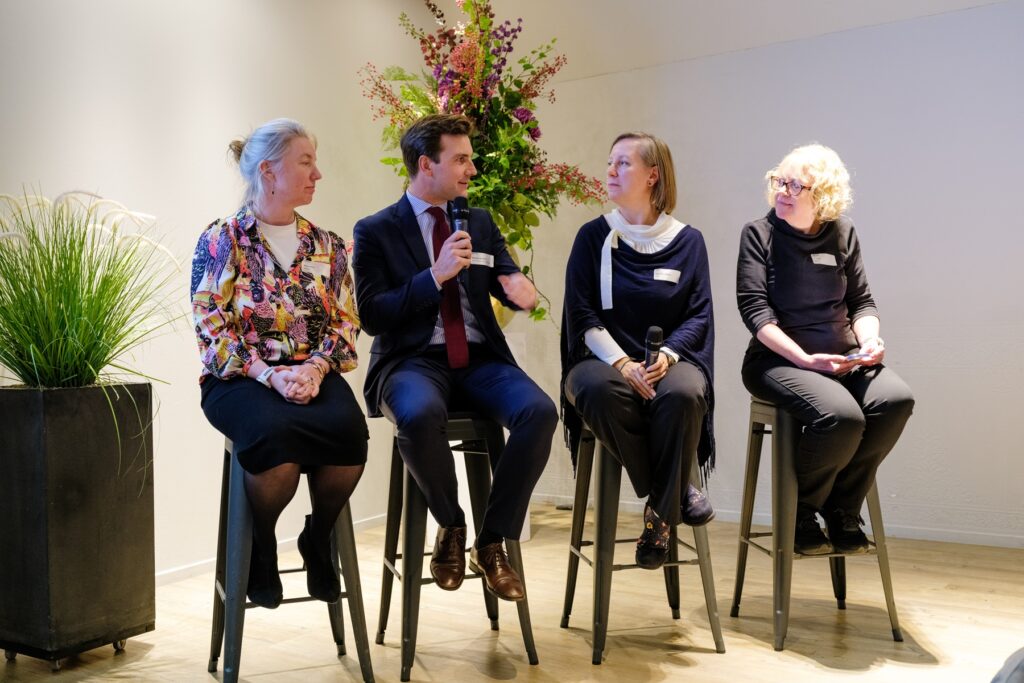
Panel discussions explored the remaining barriers to adoption. Matteo Prussi of Politecnico di Torino highlighted the need for greater awareness, recognition and market confidence to unlock the potential of biochar. Sara Solis of Schiphol stressed the importance of moving beyond nudging passengers’ waste separation towards preventing waste and maximising recovery. Ruben Alblas of KLM reflected on the large-scale SAF blending demonstration, noting that regulatory alignment remains crucial to accelerate uptake. Meanwhile, Nadine Muecklich of Fraunhofer emphasised that while hydrogen-powered ground support equipment is technically feasible, challenges around infrastructure, permitting and certification require coordinated action across the aviation ecosystem.
A recurring theme emerged throughout the discussions: the technologies have been deployed, but scaling them requires collaboration, supportive policies and continued investment.
The people behind TULIPS
While the project delivered valuable technical results, the Closing Event was also a celebration of the people who made them possible.
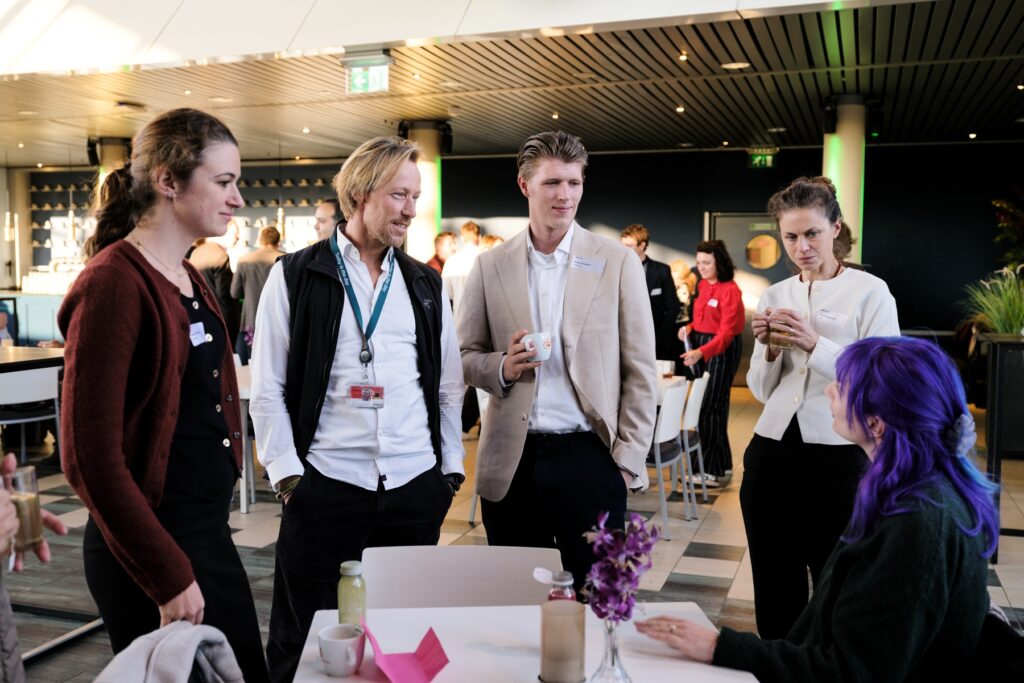
Researchers, airport operators, airlines, technology providers, policymakers and many others worked together across borders and disciplines to turn ambitious ideas into reality. Their dedication, openness and willingness to learn from one another have been central to the success of TULIPS.
The day concluded with a closing panel featuring Liz Price of MMU, Chair of the TULIPS General Assembly, Alexandre de Joybert of ACI EUROPE, Denise Pronk of Royal Schiphol Group and Agniezka Zapłatka of CINEA and Horizon Europe. Together they reflected on the project’s achievements and the opportunities ahead.
A special word of thanks was also extended to Fokko Kroesen, Programme Manager of TULIPS, and to all partners and colleagues who contributed to the project over the past four years.
Building on the legacy
Although the project has formally come to an end, its impact is only beginning.
The demonstrations, insights and partnerships developed through TULIPS provide a strong foundation for the next steps. By sharing lessons learned and continuing to collaborate across Europe, the lessons learned of the TULIPS community can help airports reduce emissions, minimise waste and prepare for a more sustainable and resilient future of airport operations and aviation.
The work and collaboration continues, and the roadmap to the future has become clearer.